The vessel within us
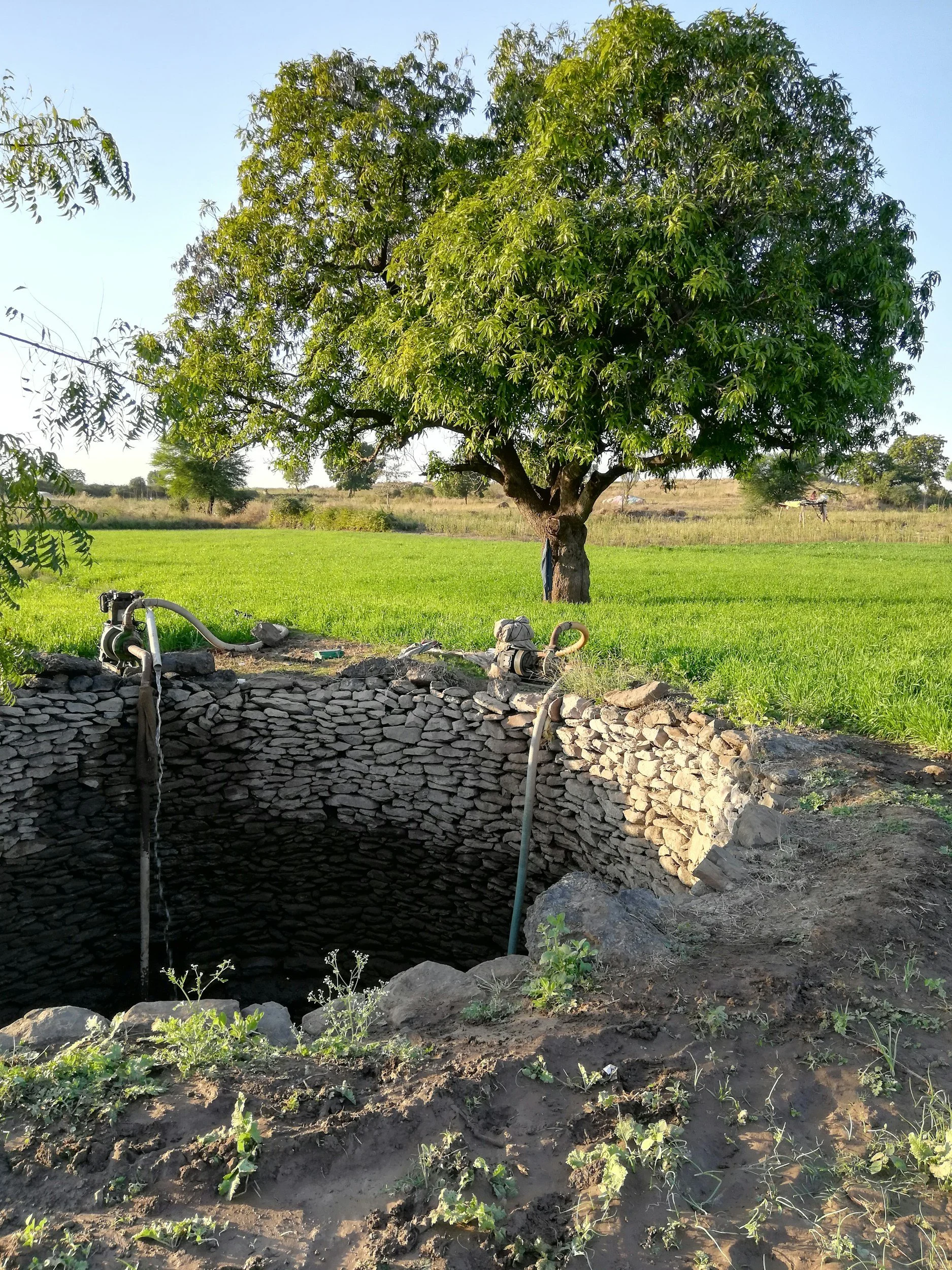
There was once a vessel filled with water. Two people approached it to draw water.
The first person took only what was needed. After using the water, they returned and replenished the vessel, allowing it to continue holding what it was meant to hold.
The second person, however, continued drawing water but never returned to refill it. Slowly, the vessel began to lose what it once contained.
Imagine ourselves as that vessel.
The water within represents all that we carry in life-our love, energy, patience, relationships, responsibilities, dreams, work, hobbies, and the experiences that give our lives meaning. Every interaction, commitment, and activity draws from this inner reservoir.
What replenishes us
Some people and experiences are like the first person. They may require our time, attention, and energy, but they also give something back. A heartfelt conversation, time with loved ones, a meaningful hobby, moments of rest, or activities that bring us joy may draw from us, yet they also replenish us.
We return feeling restored, energised, and connected to ourselves.
When more is taken than restored
However, there are also relationships, situations, and responsibilities that take more from us than we are able to give. They draw deeply from our emotional reserves without leaving enough space for renewal. This rarely happens all at once. The vessel does not become empty overnight. Instead, it happens gradually-sometimes so quietly that we only recognise our exhaustion when we are already running low.
At times, life demands more from us than we expect. We may continue pouring out our care, understanding, time, and strength while forgetting that we, too, need to be replenished.
When the vessel begins to crack
Some vessels are made of clay. When left empty for too long, the dryness can cause cracks to appear. In much the same way, when we continuously pour ourselves out without attending to our own needs, our emotional wellbeing can begin to show signs of strain. We may feel exhausted, disconnected, overwhelmed, or unable to offer what once came naturally.
Caring for our emotional capacity
The answer is not to stop giving. Caring for others is a meaningful part of being human.
Rather, it is about becoming aware of our own capacity and intentionally making space to be replenished.
A gentle invitation to reflect
We can ask ourselves:
What draws water from my vessel?
What helps restore and refill it?
Am I offering myself the same care and compassion that I so willingly extend to others?
A vessel that is cared for can continue to hold, nourish, and share. But even the strongest vessel needs moments of rest, repair, and renewal.
Taking care of ourselves is not an act of selfishness. It is what enables us to continue showing up with presence, compassion, and connection-for ourselves and for those around us.
Every vessel is meant to pour, but no vessel was meant to remain empty.
References:
Tushe, M. (2025). The role of self-care practices in mental health and well-being: A comprehensive review. International Journal of NeuroOncology and Therapeutics, 1(1), 1–6.
National Institute of Mental Health. (2026). Caring for your mental health.
Lifeline Australia. Self-care for mental health and wellbeing.

Author: Shalini Shaji
REGISTERED COUNSELLOR & PSCHOTHERAPIST